Hishamuddin Rais
Saya pernah sampai ke kota Damas - panggilan manja warga Arab untuk kota Damsyik atau Damascus untuk
warga Barat. Ini lama dahulu ketika saya berkelana. Saya datang dari
Hong Kong membawa jemputan dari Asia Students Association (ASA) kepada
Persatuan Pelajar Syria untuk hadir ke Kongres ASA di Chiengmai
Thailand. Justeru saya menjadi tamu Persatuan Pelajar Kebangsaan Syria.
Sebelum sampai ke Damas saya melintasi Amman, Jordan. Saya membawa
jemputan yang sama. Saya diberitahu bahawa Persatuan Pelajar Jordan
dalam buangan beroperasi di Beirut. Begitu juga dengan GUPS - General
Union of Palestine Students. Justeru saya wajib juga dari Syria ke
Lubnan. Ketika ini Perang Saudara di Lubnan baru bermula.
Saya
tersangkut hampir dua minggu di Damas. Bumi Arab inilah yang menjadi
permulaan jejak dan tapak saya berkelana. Saya tersangkut kerana jalan
utama dari Damas ke Beirut ditutup kerana perang saudara. Lalu untuk
membunuh masa saya melingkari kota Damas.
Pada tahun 1974, saya
seperti ramai anak-anak muda di Malaysia tidak ada langsung ada
kefahaman tentang Sunni dan Syiah. Ketika saya membesar saya tidak
mengetahui tentang wujudkan dua mazhab ini. Yang saya fahami - saya ini
penganut Islam, tidak lebih dari itu. Sunni dan Syiah ini tidak pernah
wujud dalam fikrah saya.
Saya bertemu dengan mazhab Syiah di
Iraq. Ini pada tahun 1975 - lama sebelum Revolusi Iran kerana saya telah
menjadi tamu Persatuan Pelajar Iraq. Malah sebelum dunia membaca
tentang Ayatollah Khomeini, saya telah melawat Karbala dan Najaf. Ketika
saya melawat Najaf, Ayatollah Khomeini masih lagi ‘orang buangan'
sebelum dihalau keluar dari Najaf ke Kuwait dan berakhir di Paris.
Dengan pecahnya Revolusi Iran, penganut Islam di Malaysia disedarkan
tentang wujudnya satu lagi mazhab Islam yang dipanggil Syiah. Penganut
Syiah di Iran bangun melawan Shah Reza Pahlevi. Raja Iran ini telah
dinaikkan ke tahta oleh CIA. Justeru, Revolusi Iran melonjakkan
kesedaran tentang Syia di kalangan anak-anak muda Islam di seluruh
dunia. Mazhab Syiah dilihat membawa garis melawan imperialis.
Hari ini, pada tahun 2013, kita sedang melihat bagaimana Islam dijadikan
musuh oleh kuasa imperialis Anglo-Amerika. Sesudah tamatnya Perang
Dingin dan runtuhnya Tembok Berlin (1989) pernah diharapkan politik
dunia akan membawa pencerahan dan keamaman untuk umat manusia. Harapan
ini meleset. Kaum pemodal, kuasa militer, peniaga senjata antarabangsa
bersama dengan politikus kanan memailih Islam sebagai musuh baru.
Senjata Sunni-Syiah
Di zaman Perang Dingin dahulu yang dijadikan musuh ialah negara yang
menggunakan sistem ekonomi Sosialis, kaum Sosialis dan kaum Komunis.
Mereka bukan hanya ditohmah dan difitnah malah mereka dibantai dan
dikorbankan. Kali ini yang menjadi musuh ialah Islam. Ini yang sedang
kita saksikan.
Awas, kaum pemodal antarabangsa dengan cekap
menggunakan perbezaan mazhab - Sunni dan Syiah - untuk membantai umat
Islam. Perbezaan Sunni/Syiah ini sedang dijadikan senjata ulung untuk
membantai warga Syria.
Saya akui di sini bahawa manusia yang
bernama Bashar al-Assad itu mungkin bukan sosok terbaik untuk dijadikan
contoh pendemokrasian di Syria atau untuk bumi Arab/Islam. Di belakang
gerakan anti-Bashar ini sebenarnya ada agenda yang lebih besar yang
dirancang kaum imperialis Anglo-Amerika. Perkara inilah yang ingin saya
terangkan agar ianya dapat membawa pencerahan untuk kita semua. Ini
bukan bermakna saya lebih bijak dari pembaca. Apa yang saya paparkan ini
hanya satu analisa dari kajian, pembacaan dan pengalaman saya.
Justeru, sekali lagi saya tegaskan di sini bahawa apa yang berlaku di
Syria itu bukan pertempuran Sunni dan Syiah. Apa yang sedang berlaku
ialah pembantaian warga Syria - Sunni, Syiah, Kristian, Baath atau
Majusi. Peperangan dan pembunuhan di Syria ini sebahagian dari agenda
Anglo-Amerika untuk menakluk bumi Arab. Kenapa perlu ditakluk bumi Arab?
Jawabnya: minyak.
Kita harus faham bahawa yang kata-kata lunak,
janji-janji manis dari Clinton, Bush atau Obama terhadap Warga Islam
hanyalah kata-kata. Kuasa imperial Anglo-Amerika memiliki agenda yang
telah lama dirancang. Contohnya: serangan ke atas Iraq telah lama
dirancang - jauh sebelum ledakan WTC di New York tahun 2001.
Pendemokrasian yang diajukan oleh kuasa imperial Amerika itu bunyinya
amat lunak. Lalu saya meminta semua pembaca bertenang dan berfikir
sajenak. Kenapa demokrasi hanya perlu diwujudkan di Libya, Mesir, Iraq
dan Syria. Kenapa demokrasi tidak diajukan kepada Arab Saudi.
Dari fakta pembacaan, negara Saudi yang kaya raya dengan duit minyak ini
tidak langsung memiliki ciri-ciri demokrasi jauh sekali menghormati hak
asasi manusia. Malah kita sering terbaca berita tentang bagaimana warga
asing yang bekerja di Saudi dijadikan hamba abdi sama seperti di zaman
Rasullulah.
Demokratik sungguhkah Qatar?
Sebuah lagi negara Arab yang begitu kuat menyokong dan memberi dana dan
senjata kepada gerombolan pengganas untuk menyerang Syria ialah Qatar.
Atas nama Islam, atas nama Sunni , senjata telah dihantar untuk membunuh
Syiah. Qatar memberi duit dan senjata kerana ingin membangunkan Syria
untuk menjadi sebuah darul yang lebih demokratik. Mari kita bertanya:
bila ada pilihan raya di Qatar? Demokratik sungguhkah negara yang
bernama Qatar ini?
Telah saya katakan tadi bahawa semua ini
berlatarkan keperluan kaum pemodal antarabangsa untuk menakluk bahan
bakar petroleum. Iraq dahulu bebas dan merdeka. Iraq TIDAK membenarkan
syarikat minyak asing masuk membuat cari gali. Kini Iraq telah dibuka
untuk Shell, Esso, Exxon termasuk Petronas. Yang masih berdegil melarang
syarikat luar dari mencari gali minyak hanya Iran.
Untuk
menundukkan atau menyerang Iran, Syria perlu dijatuhkan dahulu. Ini
kerana Syria dan Iran memiliki hubungan yang intim semenjak zaman
Presiden Hafeez dan zaman Khomeini. Hubungan ini diikat pula dengan
perjanjian bantu membantu dari segi ketenteraan.
Apabila kita
membaca pilitik Iran atau Syria atau Timur Tengah maka kita wajib
memahami juga peranan negara Zionis Isreal. Israel telah dipacakkan di
tengah bumi Arab oleh kuasa imperial Anglo-Amerika sesudah Perang Dunia
keDua. Zionis Isreal bergerak sebagai pangkalan tentera Amerika. Israel
menjadi polis untuk Amerika.
Sahihlah bahawa bahan bakar minyak
petroleum ialah kunci kepada semua ini. Ekonomi kapitalis dunia hari ini
dijana oleh bahan bakar petroleum. Tanpa petrol dunia yang kita kenali
hari ini akan berubah wajah.
Kalau kita beli minyak dari stesen
Petronas kita menggunakan duit ringgit. Kalau beli minyak di Pakistan
wajib menggunakan Rupiah. Tetapi jika Malaysia atau Pakistan mahu
membeli minyak di pasaran dunia, negara ini wajib menggunakan dolar.
Jual beli minyak dalam pasaran dunia hari ini wajib menggunakan dolar.
Inilah hasil perjanjian yang telah diikat oleh Presiden Nixon dengan
Raja Faizal - pada tahun 1972 - ketika dolar tidak lagi bersandarkan
emas. Saudi sebagai pengeluar minyak terbesar dalam dunia mewajibkan
minyak dibeli dengan dolar. Perjanjian ini memastikan Saudi dapat
senjata dari Amerika. Amerika juga akan memastikan rejim Saudi selamat
dari diganggu gugat oleh Israel atau musuh dalaman.
'Kong kalikong' Amerika
Maka munculkan apa yang dipanggil sistem PetroDollar. Dolar Amerika
menjadi kukuh. Ini kerana banyak negara dalam dunia hari ini TIDAK
memiliki minyak. Tetapi, negara-negara ini memerlukan minyak. Maka
negara ini wajib mengeksport barangan kepada Amerika untuk mendapatkan
dolar. Dengan adanya dolar baru minyak dapat dibeli.
Di sinilah
muncul 'kong kalikong' yang paling besar. Amerika terus mencetak dolar
untuk membeli barangan import. Hakikatnya ekonomi Anmerika hari ini
adalah ekonomi silap mata. Maka kerana itu apabila Saddam mahu menjual
minyak tanpa menggunakan dolar - Saddan Hussein dibunuh. Gadaffi juga
menerima nasib yang sama apabila dia mahu menukar dolar dengan mata wang
lain.
'Kong kalikong' Amerika ini bukan TIDAK disedari. Ramai
yang tahu tetapi terpaksa sujud kepada Amerika kerana kuasa bala tentera
Amerika berselirat dalam dunia hari ini. Semua negara kini tertaluk
dibawah kuasa Anglo-Amerika. Dulu ada Empayar Rom, kini kita dijajah
oleh Empayar Amerika.
Saudi memiliki simpanan minyak terbanyak
dalam perut buminya. Negara kedua ialah Iran. Justeru Iran wajib
ditundukkan. Jika Iran menjual minyaknya tanpa menggunakan dolar pasti
ekonomi Amerika terjejas. Kerana inilah dibuka kesah Sunni dan Syiah.
Kisah ini bertujuan untuk menutup kesah bangkai dolar yang semakin
mencemaskan dunia kapitalis.
Ketika saya di Beirut pada tahun
1975, saya telah melihat kematian dan pembunuhan dalam perang saudara.
Kali ini saya hanya berkeupayaan untuk menulis. Tapi saya tahu apa
rupanya perang saudara yang sedang berlaku di Syria.
Saya akhiri
dengan satu pertanyaan: kenapa kita tidak dapat memahami bagaimana kaum
pemodal, tauke penjual senjata dan politikus kanan yang kaya raya terus
mengadu domba kita. Di Lubnan, Khristian dengan Islam. Di Rwanda, Tutsi
dengan Hutu. Di Syria, Sunni dengan Syiah. Dan di Malaysia Melayu
dengan Cina.


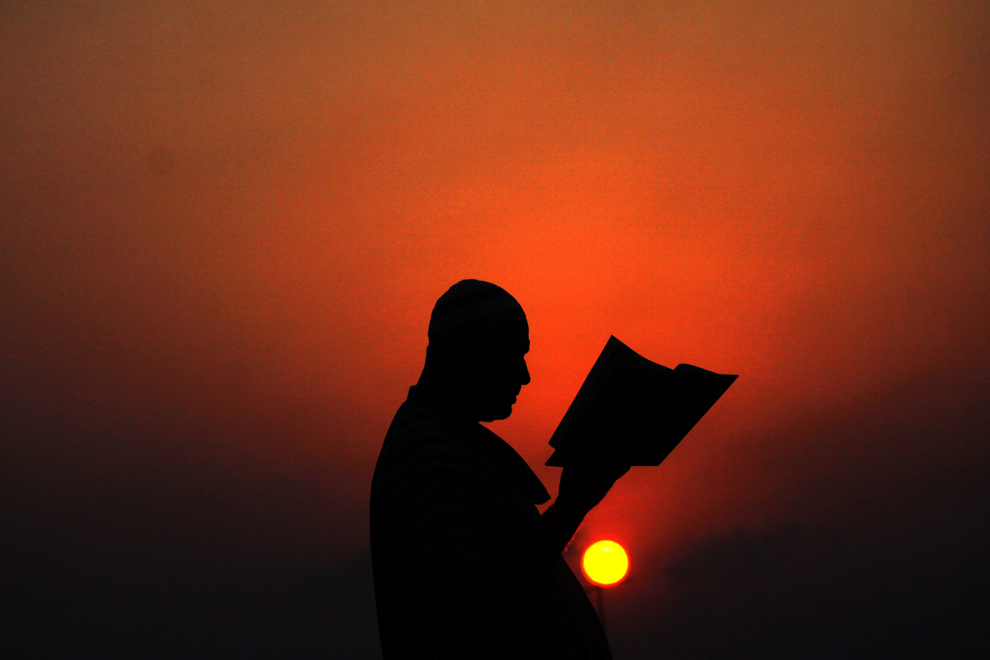
 The
month of Ramadan marries the depth of meaning and precision of form.
There exists an “intelligence of the fast” that arises from the very
reality of this marriage between the content and the form: To fast with
one’s body is a school for the exercise of the mind.
The
month of Ramadan marries the depth of meaning and precision of form.
There exists an “intelligence of the fast” that arises from the very
reality of this marriage between the content and the form: To fast with
one’s body is a school for the exercise of the mind.
 "Jadi
undang-undang tidak boleh digubal kerana parti lawan mendesak. Kalau
ikut parti lawan negara kita tidak akan ada undang-undang.
"Jadi
undang-undang tidak boleh digubal kerana parti lawan mendesak. Kalau
ikut parti lawan negara kita tidak akan ada undang-undang. Sementara
itu, bercakap dalam sidang media sebelum itu, Dr Mahathir berkata
beliau nampak hasutan semakin banyak sejak Akta Keselamatan Dalam Negeri
(ISA) dimansuhkan, sehingga wujud pihak yang menghina agama dan Nabi
Muhammad SAW.
Sementara
itu, bercakap dalam sidang media sebelum itu, Dr Mahathir berkata
beliau nampak hasutan semakin banyak sejak Akta Keselamatan Dalam Negeri
(ISA) dimansuhkan, sehingga wujud pihak yang menghina agama dan Nabi
Muhammad SAW.